Source Unisex Travel Makeup Bag for Household, Professional, and Camping
Compare 30 unisex travel makeup bag options from verified Chinese manufacturers. Buyers can evaluate customization, waterproof features, and pricing for household, professional, and camping uses.
Key considerations
Products List






Comprehensive Sourcing Guide
Strategic Sourcing Guide for Unisex Travel Makeup Bags
The global demand for unisex travel makeup bags has surged as consumers prioritize versatile, durable, and compact storage solutions for personal care items during transit. For B2B buyers, sourcing these products requires a nuanced understanding of material science, supply chain logistics, and regulatory compliance. This guide synthesizes available product attributes and industry standards to provide a disciplined framework for procurement decisions. The focus remains on objective analysis of product specifications, cost structures, and quality assurance protocols rather than speculative market trends.
Technical Specifications and Material Composition
When evaluating unisex travel makeup bags, the primary technical differentiator lies in the material composition and structural design. The supplied data indicates that Polyester is a dominant material choice for this category. Polyester offers a favorable balance of tensile strength, abrasion resistance, and cost-efficiency, making it suitable for high-volume production. Buyers must verify the specific denier count and weave density of the polyester fabric, as these factors directly influence the bag's durability and water resistance capabilities.
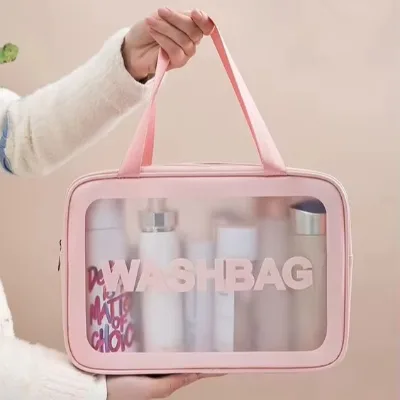
The product attributes reveal a divergence in waterproofing capabilities. Some listings specify "Waterproof" status, while others explicitly state "Not Waterproof." This distinction is critical for procurement strategy. A waterproof bag typically requires a laminated coating or a thermoplastic polyurethane (TPU) lining to prevent moisture ingress, which is essential for travelers carrying liquids or toiletries in humid environments. Conversely, non-waterproof variants may rely on standard woven polyester, offering breathability but requiring careful packing to avoid liquid damage.
Structural features also vary significantly. The observed product types include "Single Open" and "Double Open" configurations. A single-open design often implies a top-loading bag with a zipper closure, suitable for quick access. Double-open designs may feature zippers on both sides or a clamshell opening, providing greater internal visibility and access to items at the bottom of the bag. The shape is predominantly described as "Vertical Square" or "Horizontal Square," with specific standard dimensions noted, such as 20cm13cm13cm and 22.5x8x16cm. These dimensions suggest a compact form factor designed to fit within carry-on luggage or personal bags without occupying excessive space.
Hardness is another key specification, ranging from "Medium Soft" to "Soft." This attribute dictates the bag's ability to maintain its shape when empty versus when fully loaded. A "Soft" classification implies a flexible structure that can be compressed, while "Medium Soft" suggests a slight internal stiffening or reinforced base to protect contents from crushing. Buyers should request physical samples to assess the tactile feel and structural integrity, as these attributes are often subjective and vary by manufacturer.
Compliance, Certification, and Regulatory Standards
In the B2B procurement of personal care accessories, compliance with international safety and ethical standards is non-negotiable. The supplied data lists several certifications, including ISO, CE, BSCI, and SA8000. These certifications serve as verification of the supplier's adherence to quality management systems, product safety, and labor practices.
ISO certification indicates that the manufacturer follows standardized quality management processes, ensuring consistency in production output. CE marking is a mandatory conformity mark for products sold within the European Economic Area, signifying that the product meets EU safety, health, and environmental protection requirements. While often associated with electronics, CE can apply to various consumer goods depending on specific directives. BSCI (Business Social Compliance Initiative) and SA8000 are social accountability standards that verify the supplier's commitment to ethical labor practices, including fair wages, safe working conditions, and the prohibition of child labor.
The data also references standards such as RoHS, SGS, and REACH. RoHS (Restriction of Hazardous Substances) limits the use of specific hazardous materials in electrical and electronic equipment, though its relevance to fabric bags depends on the presence of electronic components or specific chemical treatments. SGS is a global inspection, verification, testing, and certification company; products bearing the SGS mark have undergone third-party testing for quality and safety. REACH (Registration, Evaluation, Authorisation and Restriction of Chemicals) is a European regulation concerning the chemical substances used in manufacturing. While REACH is listed in low-confidence background data, it remains a critical consideration for buyers targeting the European market to ensure no restricted substances are present in the dyes or coatings used on the polyester fabric.
Buyers must verify the validity of these certifications by requesting current certificates directly from the supplier. It is essential to confirm that the certifications cover the specific product model and manufacturing site, as a factory may hold a general certification that does not extend to all product lines.
Cost Drivers and Pricing Dynamics
The pricing of unisex travel makeup bags is influenced by a complex interplay of material costs, customization requirements, and order volume. The observed price range in the market spans from $0.05 to $7.90 USD. This wide variance reflects differences in material quality, production complexity, and branding.
The lower end of the price spectrum, around $0.05, typically corresponds to basic, non-customized polyester bags with simple zipper closures and minimal packaging. These are often produced in high volumes with standardized designs. Conversely, the upper end, approaching $7.90, likely includes premium features such as advanced waterproofing, designer branding, complex multi-compartment structures, or high-end packaging.
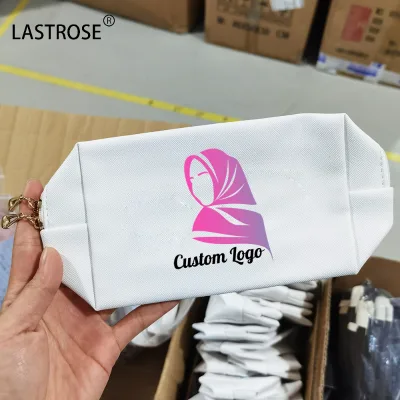
Customization is a significant cost driver. The data confirms that customization is available, including custom logos via silkscreen printing and custom sizes. Customization requires additional setup costs for tooling, screen preparation, and color matching, which can increase the unit price. Furthermore, the Minimum Order Quantity (MOQ) ranges from 10 to 5,000 units. Higher MOQs generally result in lower per-unit costs due to economies of scale. Buyers with lower volume requirements may face higher unit prices or may need to accept standard, non-customized inventory.
Other cost factors include the origin of production and logistics. Products originating from China, specifically Xiamen, benefit from established supply chains for polyester and zipper manufacturing. However, shipping costs via express, sea, or air freight will impact the landed cost. The data notes a lead time of 30-40 days for production, which is a standard window for manufacturing and quality control. Buyers must factor in this lead time when planning inventory to avoid stockouts.
Typical Applications and Usage Scenarios
The intended use cases for unisex travel makeup bags are diverse, ranging from household storage to professional and outdoor activities. The data specifies usage categories including "Household," "Professional," and "Camping & Traveling." This versatility makes the product suitable for a broad range of B2B clients, from retail chains to corporate gift programs.
For the "Traveling" segment, the bag's compact dimensions and waterproof capabilities are paramount. Travelers require bags that can withstand the rigors of transit, including being packed in tight spaces and exposed to varying humidity levels. The "Vertical Square" and "Horizontal Square" shapes are optimized for fitting into overhead bins or under-seat storage. The "Unisex" gender classification ensures that the product appeals to a wide demographic, making it ideal for mass-market retail.
In the "Professional" context, makeup artists and beauty professionals often require durable, easy-to-clean bags that can organize a wide array of tools and products. The "Double Open" feature facilitates quick access to multiple compartments, which is crucial for professionals working on tight schedules. The "Designer Bag" attribute suggests a subset of products targeting the luxury or high-fashion market, where aesthetics and brand identity are as important as functionality.
For "Camping & Traveling," the emphasis is on ruggedness and weather resistance. Waterproof bags are essential in this category to protect contents from rain or accidental spills. The "Medium Soft" hardness provides a balance between protection and portability, allowing the bag to be squeezed into backpacks without losing its shape entirely.
Supplier Evaluation and Selection Criteria
Selecting the right supplier is critical for ensuring product quality and supply chain reliability. Buyers should evaluate suppliers based on their certification portfolio, production capacity, and communication responsiveness. The presence of ISO, CE, BSCI, and SA8000 certifications is a strong indicator of a reputable supplier. However, buyers should not rely solely on these labels; they must verify the scope and validity of the certificates.
Production capacity is another vital factor. The observed MOQ range of 10 to 5,000 units suggests that suppliers vary in their flexibility. Some suppliers may cater to small businesses with low MOQs, while others may require larger orders to justify production runs. Buyers should assess whether the supplier can scale production to meet their demand without compromising quality.
The sample process is an excellent tool for supplier evaluation. The data indicates that samples are available for free, with sample times ranging from 3-7 days to 10 days. Buyers should request samples of different product models, such as those with models SU-CMT-113, SU-CMT-138, or YHD2311291534, to compare material quality, zipper functionality, and printing accuracy. The sample time should be factored into the overall procurement timeline.
Payment terms also play a role in supplier selection. The standard term observed is a 30% deposit followed by 70% payment after shipping. This structure protects both parties, ensuring the supplier has funds to begin production while the buyer retains leverage until the goods are ready for shipment. Buyers should negotiate terms that align with their cash flow and risk tolerance.
Quality Control and Long-Term Procurement
Quality control (QC) is essential to mitigate risks associated with mass production. Buyers should implement a rigorous QC plan that includes pre-production, in-line, and pre-shipment inspections. Key inspection points include zipper functionality, seam strength, waterproofing integrity, and print quality. The "Silkscreen Printing" method used for logos should be checked for color consistency and adhesion.
Long-term procurement considerations involve building a sustainable relationship with suppliers. Consistency in product quality is paramount; a supplier that delivers high-quality samples but fails to maintain that standard in bulk production poses a significant risk. Buyers should establish clear quality standards and communicate them effectively to the supplier. Regular audits and performance reviews can help maintain high standards over time.
Logistics and packaging are also critical for long-term success. The data mentions packaging options such as "Carton," "Poly Bag," and shipping methods like "Express," "Sea," and "Airfreight." Buyers should evaluate the packaging to ensure it protects the product during transit and meets any specific retail requirements. For example, eco-friendly packaging may be a requirement for certain markets.
Finally, buyers should monitor market trends and regulatory changes. The cosmetics and travel accessory markets are dynamic, with shifting consumer preferences and evolving safety regulations. Staying informed about these changes allows buyers to adapt their sourcing strategies proactively, ensuring their product offerings remain competitive and compliant.
Comparative Analysis of Product Attributes
To assist in decision-making, the following table summarizes key attributes observed in the product data, highlighting the variations buyers may encounter.
| Attribute | Observation A | Observation B | Procurement Implication |
|---|---|---|---|
| Waterproof | Waterproof | Not Waterproof | Verify coating or lining for moisture protection. |
| Hardness | Medium Soft | Soft | Assess structural rigidity for content protection. |
| Shape | Vertical Square | Horizontal Square | Match shape to target luggage dimensions. |
| Opening | Single Open | Double Open | Determine access speed and compartment layout. |
| Material | Polyester | Polyester | Confirm fabric weight and weave density. |
| Certification | ISO, CE, BSCI, SA8000 | CE, RoHS, SGS | Verify specific scope and validity of certificates. |
| MOQ | 500 PCS | 10 - 5000 | Align order volume with supplier capacity. |
| Lead Time | 30-40 Days | 3-7 Days (Sample) | Plan inventory cycles accordingly. |
This comparative view underscores the importance of detailed specification matching. Buyers must clearly define their requirements to avoid receiving products that do not meet their operational needs. By systematically evaluating these attributes, B2B buyers can make informed decisions that align with their strategic objectives and market demands.
FAQs
What materials are used for unisex travel makeup bags?
Polyester is the dominant material used for these bags, offering a balance of tensile strength and cost-efficiency. Buyers should verify the specific denier count and weave density to ensure the fabric meets durability requirements for travel use.
Are these bags waterproof for travel use?
Waterproof capabilities vary significantly between products, with some listings explicitly stating waterproof status while others are not. Waterproof variants typically require a laminated coating or TPU lining to prevent moisture ingress during transit.
What certifications do suppliers typically hold?
Suppliers often hold ISO, CE, BSCI, and SA8000 certifications to verify quality management and ethical labor practices. Buyers must request current certificates to confirm that these standards cover the specific product model and manufacturing site.
How long is the production lead time?
The standard production lead time is typically 30 to 40 days for manufacturing and quality control. Buyers must factor in this duration when planning inventory to avoid stockouts and ensure timely delivery for their orders.
What is the minimum order quantity for customization?
The minimum order quantity ranges from 10 to 5,000 units depending on the supplier and customization requirements. Higher volumes generally result in lower per-unit costs due to economies of scale, while lower MOQs may incur higher prices.
Can buyers get free samples before ordering?
Free samples are available for evaluation, with sample times ranging from 3 to 7 days or up to 10 days. Buyers should request samples of different models to compare material quality, zipper functionality, and printing accuracy before committing to bulk orders.